
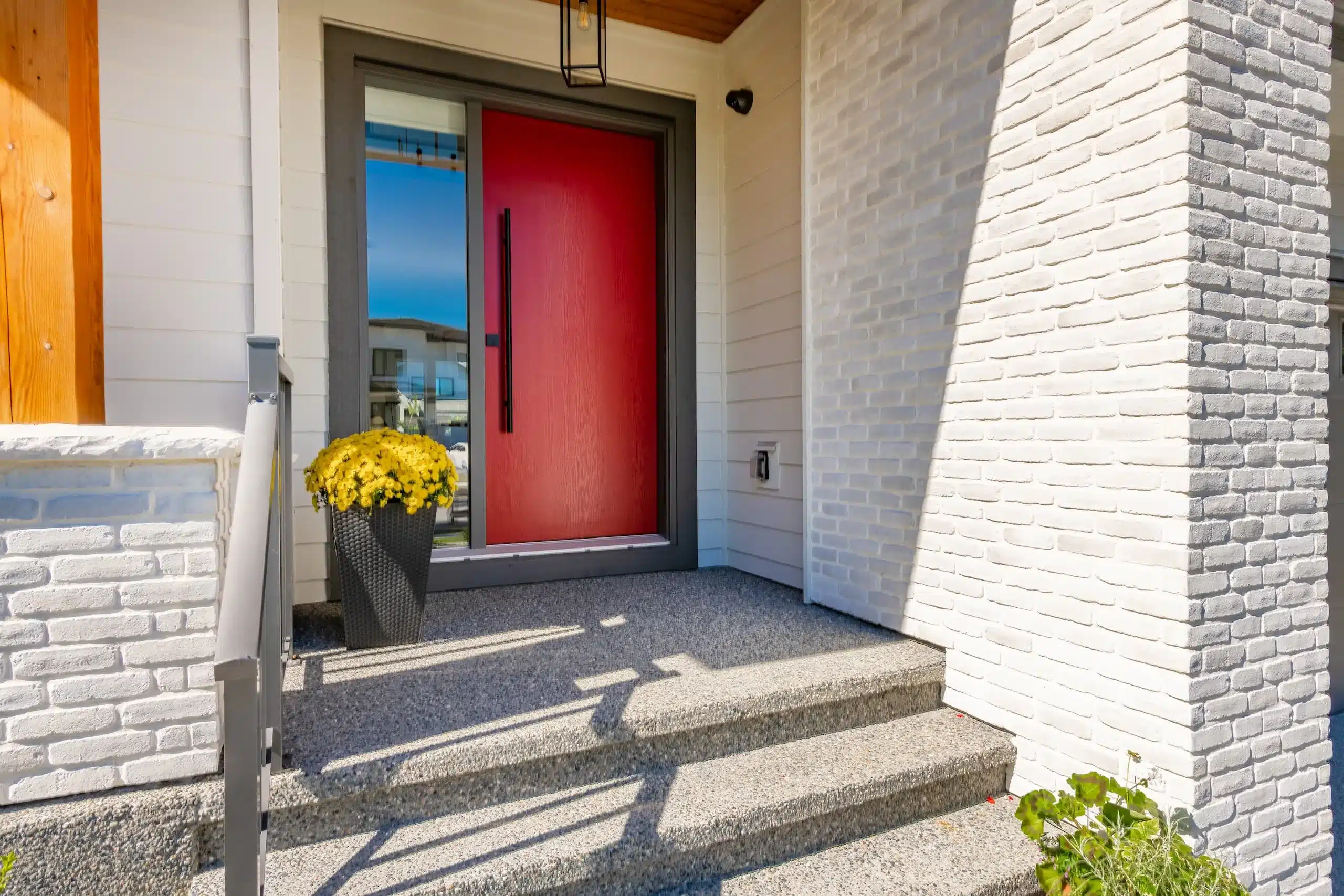
The Complete Homeowner’s Guide to Entry Doors: From Leaks to Installation
Your entry door is more than just a way to get into your home. It is the first impression visitors have of your property, a critical line of defense against the elements, and one of the most important contributors to your home’s energy efficiency. Yet many homeowners overlook their front door until something goes wrong. Whether you are dealing with frustrating leaky doors, trying to understand the difference between right hand and left hand doors, or planning a brand new installation, this guide will walk you through everything you need to know about entry doors.
At Price’s Doors, we have spent years helping homeowners select, install, and maintain beautiful entry doors that perform as well as they look. Here is what every homeowner should understand before tackling their next door project.
Why Your Entry Door Matters More Than You Think
A quality entry door does far more than welcome guests. It seals your home against rain, wind, dust, pollen, and pests. It contributes to your home’s overall curb appeal and resale value. It provides security and peace of mind. And, perhaps most importantly to your monthly budget, it plays a major role in keeping your energy bills under control.
When an entry door begins to fail, the consequences can ripple through your entire home. Higher utility costs, water damage to flooring and surrounding walls, drafts that make rooms uncomfortable, and even mold growth can all trace their origins back to a compromised front door. That is why understanding the most common entry door issues, particularly door leaks, is so essential.
Identifying Leaky Doors and What Causes Door Leaks
One of the most frequent complaints we hear from homeowners involves leaky doors. The good news is that the signs of door leaks are usually easy to spot once you know what to look for. The bad news is that ignoring these signs almost always leads to bigger, more expensive problems down the road.
Common Signs of Door Leaks
If you suspect your entry door is leaking air or water, watch for these telltale indicators:
Visible daylight around the edges of the door when it is closed is one of the most obvious red flags. Stand inside on a sunny day and look carefully at the perimeter of the door. Any light you can see is a gap where conditioned air is escaping and outdoor air is sneaking in.
Drafts you can feel with your hand are another clear sign. Run your palm slowly around the door frame, especially at the threshold and along the hinge side. If you notice cool or warm air movement, you have a leak.
Water stains, swollen wood, peeling paint, or discoloration on the floor near the door or on the door itself often indicate that rain has been finding its way inside. Even small amounts of moisture entering repeatedly can cause significant damage over time.
Sudden spikes in your heating or cooling bills can also point to leaky doors. If your HVAC system seems to be working harder than usual without any other obvious explanation, your entry door may be the culprit.
What Causes Door Leaks
Understanding the root causes of door leaks helps you address them properly rather than applying temporary fixes that fail within months. The most common culprits include:
Worn or damaged weatherstripping is by far the leading cause of leaky doors. Weatherstripping is the flexible material that seals the gap between the door and the frame when the door is closed. Over years of use, it compresses, cracks, or peels away, leaving openings for air and water.
A failing door sweep at the bottom of the door creates problems too. The sweep is what bridges the gap between the door bottom and the threshold. When it wears out, water can pool at your doorstep and seep inside.
Settling and shifting of your home over time can throw a door out of square. When this happens, the door no longer sits flush against the frame, creating gaps that no amount of weatherstripping can fix.
Improper original installation is another common source of door leaks. If a door was not shimmed correctly, if the threshold was not sloped properly, or if flashing was omitted around the frame, leaks are practically inevitable.
Damaged or warped doors, particularly older wood doors that have absorbed moisture, may simply no longer fit their frames correctly.
Fixing Leaky Doors
For minor issues, replacing weatherstripping and door sweeps is a relatively simple weekend project that can dramatically improve your door’s performance. For more serious problems, particularly those involving a misaligned door, water damage, or improper installation, professional help is usually the right call. In some cases, the most cost-effective long-term solution is replacing the entry door entirely with a properly installed modern unit.
Understanding Right Hand and Left Hand Doors
If you have ever shopped for a new entry door, you have probably encountered the terms “right hand” and “left hand” and wondered what on earth they mean. The distinction between right hand and left hand doors trips up many homeowners, but it is actually quite simple once you know the rule.
How to Determine Door Handing
To determine whether you need a right hand or left hand door, stand on the outside of your home facing the door. Look at where the hinges are located.
If the hinges are on the right side and the door swings away from you to the inside, you have a right hand door. If the hinges are on the left side and the door swings away from you to the inside, you have a left hand door.
There is also a variation called inswing versus outswing. Most residential entry doors are inswing, meaning they open into the home. However, some doors, particularly storm doors and certain commercial applications, swing outward. When a door swings outward, the terminology shifts to “right hand reverse” or “left hand reverse.”
Why the Distinction Matters
Getting the handing right is critical when ordering a new entry door. The placement of the hinges, the direction of the latch, the location of any decorative glass features, and the orientation of weatherstripping all depend on whether the door is configured for right hand or left hand operation.
Ordering the wrong handing means returning the door, waiting for a replacement, and delaying your project. It can also mean wasted money if the door is custom and non-returnable. This is one of those small details that makes a big difference, and it is one of the reasons working with experienced door professionals pays off.
Beyond just ordering, the handing of your door affects how your home flows. A door that swings the wrong way can interfere with traffic patterns, block light switches, or create awkward layouts in your entryway. When designing or remodeling, thinking carefully about right hand and left hand doors helps you create a more functional, comfortable home.
A Closer Look at Installing Entry Doors
Installing entry doors correctly is one of the most important factors in how well a door performs over its lifetime. Even the highest quality door will leak, stick, and fail prematurely if it is installed poorly. Conversely, a mid-range door installed with care can deliver decades of reliable service.
What Proper Installation Involves
The process of installing entry doors goes far beyond simply setting the door in the opening and screwing it into place. A proper installation involves multiple critical steps:
First, the rough opening is inspected and prepared. Any rotted framing, damaged sheathing, or moisture issues must be addressed before the new door goes in. Skipping this step is a recipe for future door leaks.
Next, flashing and a sill pan are installed to direct any water that does penetrate the exterior cladding away from the framing and out of the home. This invisible layer of protection is one of the most important parts of the installation.
The door is then carefully positioned and shimmed to ensure it sits perfectly plumb, level, and square in the opening. Even small deviations can cause the door to bind, leak, or fail to latch properly.
Once the door is set, fasteners are driven through the jambs and into the framing at strategic locations. Using too few fasteners or placing them incorrectly can compromise both security and weather resistance.
Insulation is added around the perimeter of the frame to prevent drafts and energy loss. Many DIY installers either skip this step or overstuff the cavity, which can actually cause the frame to bow.
Finally, the exterior is sealed with high-quality caulk, the threshold is adjusted, and the weatherstripping is checked to ensure a proper seal all the way around.
Why Professional Installation Pays Off
While installing entry doors is technically possible as a DIY project, the reality is that small mistakes during installation lead to most of the leaky doors and performance problems we see in the field. Professional installers bring the right tools, the right materials, and the experience to spot potential issues before they become real problems.
A professional installation also typically comes with workmanship warranties that protect you if something does go wrong. Many manufacturer warranties on the door itself are also voided if the installation does not meet specific standards, which is something many homeowners discover only when they need to make a claim.
Bringing It All Together
Your entry door deserves more attention than it typically gets. Whether you are troubleshooting frustrating door leaks, ordering a new door and trying to choose between right hand and left hand doors, or planning a full replacement and installation, the choices you make matter for your comfort, your energy bills, and your home’s value.
At Price’s Doors, we help homeowners navigate every stage of the entry door journey. From identifying the source of leaky doors and recommending repairs, to selecting the perfect new door with the correct handing, to installing entry doors with the precision they deserve, our team is here to make the process simple and the results outstanding.
If your entry door is showing signs of wear, if you are planning a remodel, or if you are ready to upgrade your home’s first impression, reach out to Price’s Doors today. A better entry door is closer than you think.
Related Articles
Garage Door Repair in St. George: What the Desert Does to Your Door
A garage door in St. George works in one of […]
READ MORE

Front Door Replacement: When to Repair vs. Replace Your Front Door
Most homeowners replace their front door for one of two […]
READ MORE
Garage Door Repair in Salt Lake City: A Local Guide for Wasatch Front Homeowners
Salt Lake City sits at 4,300 feet elevation on the […]
READ MORE