
Why Your Garage Door Is Failing And What to Do About It
A homeowner’s guide to the most common causes of garage door damage and when it’s time to replace
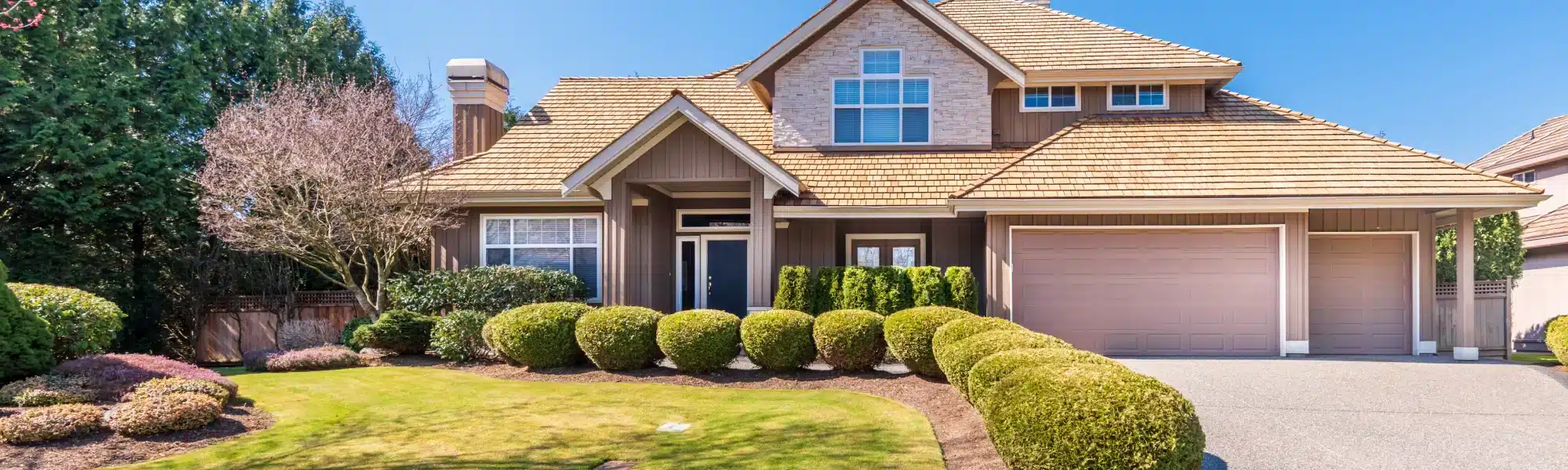
Your garage door is the largest moving part of your home and, in most cases, one of its most prominent features. For homes where the garage faces the street, the door can account for up to 40% of the visible facade making it one of the first things visitors, neighbors, and prospective buyers notice. Yet it’s also one of the most neglected elements of home maintenance, right up until the moment something goes wrong.
Understanding why garage doors fail and recognizing the warning signs early can save you from a costly emergency repair and help you make a confident, well-informed decision about whether to repair or replace.
The Most Common Causes of Garage Door Damage
1. Spring Failure
Torsion springs do the heavy lifting every time your door moves and literally counterbalancing hundreds of pounds with each cycle. A standard spring is rated for 10,000 to 15,000 cycles, which works out to roughly 7 to 10 years of normal use. When they fail, it’s usually sudden. You might notice the door feeling unusually heavy, or moving unevenly, before it stops working altogether.
Cold climates and coastal environments accelerate spring wear significantly and metal contracts in the cold, and humidity breeds rust. If your garage is unheated, plan for shorter replacement intervals.
2. Track Misalignment
The tracks guiding your door require precise alignment to function properly. Loose mounting hardware, a minor vehicle bump, or simply years of vibration can knock things out of spec. Signs include squealing or grinding during operation, hesitation mid-travel, or visible gaps between the rollers and track.
DIY realignment is rarely as straightforward as it looks and the tolerances are tighter than they appear, and an improper fix can stress the motor and cables. For older doors with corroded or bent tracks, full replacement is often the cleaner solution.
3. Cable Wear and Fraying
Steel cables work alongside your springs to support and control the door. They endure constant tension and friction, and individual strands fray long before the damage becomes obvious. A failed cable causes the door to drop unevenly and in serious cases, to fall without warning.
Proper lubrication is the simplest defense. A twice-yearly application of silicone or lithium-based lubricant to the cables, rollers, and hinges goes a long way toward preventing premature wear across the entire system.
4. Panel Damage
Dented or cracked panels are the most visible form of garage door damage and the most common. Whether from a slow vehicle pull-in, a rebounding basketball, or a hail storm, the impact on your home’s appearance is immediate.
Whether to repair or replace depends on how many panels are affected, the structural integrity of the door frame, and whether matching replacement sections are still available. Manufacturers discontinue styles regularly, which can make a working door effectively unrepairable. For a home where appearance matters, even minor cosmetic damage is worth addressing promptly.
5. Weather and Environmental Damage
No garage door is immune to the elements. High winds can warp lightweight steel panels. Sun exposure degrades paint and finish on wood and composite doors. Coastal homes face salt air corrosion that attacks every metal component in the system. Hail leaves dimpling that is nearly impossible to repair cleanly, and a significant hail event can effectively total a standard-gauge door.
For homes in storm-prone regions, a wind-rated or impact-resistant door is a practical investment not a luxury. It provides real protection and may also qualify you for a reduction in your homeowner’s insurance premium.
6. Opener and Sensor Malfunctions
Modern openers are sophisticated and subject to both gradual wear and sudden failure. Motor burnout, logic board issues, and RF interference from neighboring devices are common culprits. Safety sensors can become misaligned or dusty, causing erratic behavior. And older openers that predate current safety standards can pose genuine risks to children and pets.
Today’s smart openers offer app-based control, real-time status alerts, automatic closing, and integration with home automation systems are a significant upgrade in both convenience and security for any modern household.
7. Deferred Maintenance
The most preventable cause of garage door failure is simple neglect. The spring, cables, rollers, hinges, and opener form an interconnected system and weakness in one component accelerates wear in the others. A fraying cable strains the spring. A misaligned track stresses the motor. What could have been a simple service call becomes an expensive repair or a full replacement.
Annual professional inspections and routine lubrication are the simplest things you can do to extend your door’s life and avoid an urgent breakdown at the worst possible moment.
Repair or Replace? How to Make the Right Call
A helpful starting point: if the repair cost exceeds 50% of what a new door would cost, replacement is almost always the smarter financial decision. Beyond that, consider the following:
- Age: Most garage doors last 15 to 30 years depending on material, climate, and maintenance. A door past that threshold is a replacement candidate regardless of what’s currently broken.
- Parts availability: If panels or components have been discontinued, repair may be impossible or cosmetically unacceptable.
- Multiple simultaneous failures: A door that needs a new spring, a new opener, and panel work is not a repair candidate.
- Energy efficiency: Older doors with minimal insulation quietly raise your energy bills. A new insulated door can make a measurable difference in homes with attached garages.
- Aesthetic mismatch: A repaired door that no longer complements the home’s architecture is a missed opportunity. Replacement lets you solve the functional problem and elevate the home’s appearance at the same time.
What to Look for in a Quality Replacement
Not all replacement doors are equal. When evaluating options, look beyond the sticker price:
- Insulation value (R-value): Steel doors with polyurethane foam insulation outperform polystyrene in both thermal efficiency and structural rigidity.
- Steel gauge: Heavier-gauge steel (lower number) resists denting and impact. In hail or storm-prone areas, 24-gauge or thicker is worth the upgrade.
- Hardware quality: High-cycle springs, sealed bearings, and heavy-duty rollers dramatically extend the service life of the door. Premium hardware is a sound upcharge on any frequently used door.
- Smart opener compatibility: Belt-drive or direct-drive openers with app connectivity are quieter, more reliable, and significantly more convenient than older chain-drive systems.
- Warranty: A manufacturer willing to back their door for 10 to 15 years is signaling genuine confidence in their product. Understand exactly what’s covered, panels, hardware, and finish, before committing.
A Note on Insurance
Most homeowner’s insurance policies cover garage door damage caused by storms, fire, theft, or vehicle impact but they exclude damage from normal wear, deferred maintenance, or mechanical failure. If your damage is weather-related, a claim may substantially offset your out-of-pocket costs. It’s also worth asking your agent whether an impact-resistant or wind-rated replacement door qualifies you for a premium reduction.
The Bottom Line
Garage door problems rarely arrive all at once. They build quietly, through years of mechanical stress, weather exposure, and skipped maintenance until something finally gives. By that point, an urgent replacement under inconvenient circumstances often costs more than a planned upgrade would have.
If your door is showing its age, failing more often, or simply no longer reflecting the care you’ve put into the rest of your home, now is the right time to evaluate your options. Consult with a qualified professional, explore options that align with your home’s architecture and your standards, and make the decision on your terms, not on the garage door’s.
Related Articles
The Complete Homeowner’s Guide to Replacing Your Windows
Ask most homeowners what they notice first about a house, […]
READ MORE
Choosing the Right Doors for Your Home and Garage
Your home’s doors do a lot of heavy lifting, serving […]
READ MORE

Repair or Replace Windows?
At Price’s Guaranteed Doors, we’re proud to not only provide garage […]
READ MORE