
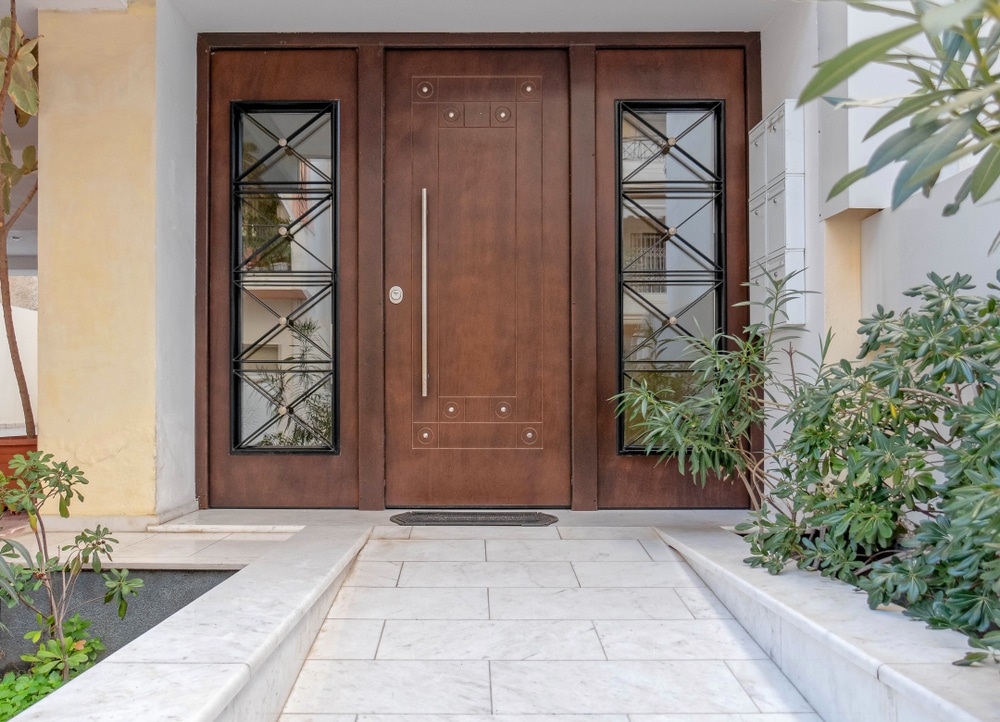
Your Spring Front Door Checklist: How to Clean, Inspect, and Repair Your Front Door After a Utah and Idaho Winter
Spring in Utah and Idaho arrives with a sense of relief. The snow melts, the temperature climbs above freezing, and suddenly the days feel full of possibility again. It is a great time of year. But before you get too far into yard work and weekend projects, your front door deserves a closer look.
Our winters are not gentle. From the Wasatch Front to the Snake River Plain, front and entry doors endure months of freezing temperatures, wide temperature swings, moisture, road salt, and relentless wind. That kind of exposure adds up in ways that are easy to miss until something goes wrong. Weatherstripping fails. Wood swells and warps. Paint peels. Frames shift. A door that fit perfectly last September may now let in a draft, stick in the frame, or refuse to latch properly.
Spring is the right window to catch those problems early, before summer heat compounds the damage and before a fixable issue turns into a full replacement. This checklist walks you through everything from a good cleaning to identifying the warning signs that require a professional. Whether you enjoy hands-on home maintenance or just want to know what to look for, this guide will help you start the season right.
Why Spring Is the Right Time for Front Door Maintenance
Front door maintenance is easy to put off. A door that drafts a little in January feels like a minor inconvenience, but by midsummer that same gap can spike your energy bills and invite insects inside. The reason spring matters specifically comes down to what winter does to materials over time.
Freeze-thaw cycles are particularly hard on entry doors and door frames. When temperatures drop below freezing at night and warm up during the day, the materials in and around your door expand and contract repeatedly. Wood absorbs moisture and swells. Caulk cracks and pulls away from seams. Door frames can shift slightly out of plumb. These are small movements on their own, but after months of cycling, they add up to real problems.
Moisture from snow, ice, and snowmelt is another major factor. Water that sits against a threshold, seeps under a door sweep, or collects in cracks in the frame causes rot in wood components, rust in steel elements, and deterioration in finishes across all materials. And if you live along the Wasatch Front or near any road that sees heavy winter treatment, road salt blown and tracked toward your front entry adds a corrosive element on top of everything else.
Getting ahead of all of that in early spring, before warm weather arrives and before summer puts new stress on the system, is the smartest approach.
Start with a Deep Clean
Before you inspect anything, give the door and the surrounding area a thorough cleaning. Winter grime, dust, and salt residue make it genuinely difficult to spot damage, and some of what looks like a problem may be nothing more than built-up dirt.
Use warm water and a small amount of mild dish soap with a soft cloth or sponge. This works well for fiberglass, steel, and painted wood doors alike. Avoid abrasive scrubbers that can scratch painted or factory-finished surfaces. Rinse thoroughly with clean water and dry the surface completely before moving on. Standing moisture will only make the inspection harder and can cause its own damage if left in place.
While you are cleaning, pay attention to the door frame, the threshold, and any sidelights or decorative glass panels. Salt and grit tend to collect in corners and along the bottom edge of the door where it meets the threshold. Clean all of it, including the hardware, the lockset, and the hinges. Once everything is dry, you will have a much clearer view of what the winter actually did.
Inspect the Weatherstripping and Door Sweep
Weatherstripping is one of the first components to fail after a Utah or Idaho winter, and it is also one of the most important. It is the barrier between your conditioned interior air and whatever the weather outside is doing. When it fails, you feel it immediately in your energy bills and comfort level.
Walk around the entire perimeter of the closed door and look at the weatherstripping on all four sides. Signs of failure include visible cracks or tears in the material, sections that have flattened and compressed to the point where they no longer make solid contact, and pieces that have pulled away from the frame entirely. On a bright day, close the door and look from inside. If you can see light around the edges, the seal has failed.
The door sweep along the bottom of the door deserves equal attention. After a winter of contact with ice, snow, and a repeatedly expanding and contracting threshold, bottom sweeps often harden, crack, or detach at the edges. Slide a piece of paper under the door when it is closed. If it moves easily with no resistance, you are losing conditioned air and the sweep needs to be replaced.
Replacing weatherstripping and door sweeps is one of the more straightforward DIY tasks on this list and makes a meaningful difference in both comfort and energy costs.
Check the Door Frame and Threshold for Damage
The door frame takes the brunt of winter moisture and temperature movement. Wood frames are the most vulnerable to rot and warping, but even metal-clad frames can separate from the surrounding wall or develop gaps where caulk has failed.
Press firmly on wood frame sections that appear discolored, soft, or swollen. Rot often begins beneath the surface and is easy to miss until the wood gives way under pressure. Pay close attention to the bottom corners of the frame and the area just above the threshold, where water is most likely to collect and sit. If you find soft spots, that damage needs to be addressed before it spreads into the surrounding wall structure.
Also look at the caulk lines where the frame meets the exterior siding. Caulk that has cracked, separated, or pulled away creates an entry point for water and drafts. Scrape out the old material and apply a fresh bead of exterior-grade caulk rated for temperature extremes. It is an inexpensive fix that pays real dividends.
The threshold itself, the horizontal piece at the base of the door opening, should be checked for cracks, missing sections, and any visible gap between the threshold and the floor. A damaged threshold allows water intrusion during spring rain and snowmelt and lets cold air in during the next winter before you know it needs attention.
Test the Door Operation and Alignment
A door that sticks, drags, swings open on its own, or does not latch without extra force is telling you something. After the repeated freeze-thaw cycles of a Utah or Idaho winter, even a properly installed door can shift out of alignment as the frame moves and the materials around it settle.
Open and close the door slowly and pay attention to how it moves. It should swing smoothly in both directions without catching, dragging along the floor, or requiring you to lift the handle to get it to latch. Look at the gap between the door slab and the frame on all four sides. It should be consistent and even. An uneven gap, wide at the top and narrow at the bottom or vice versa, points to frame movement or hinge issues.
If the door swings open or drifts closed on its own when left halfway open, the frame is out of plumb or the hinges need adjustment. Tightening hinge screws is a simple fix. If screw holes have stripped, filling them with wooden toothpicks and wood glue before re-driving the screws restores the bite. More significant alignment problems involving the frame itself will need professional attention.
Inspect the Hardware
Utah and Idaho winters are hard on door hardware. Salt, moisture, and temperature changes work together to corrode hinges, degrade lock cylinders, and loosen the screws and bolts that hold everything in place.
Check each hinge for rust, wobble, and loose fasteners. Tighten any hardware that has worked itself loose over the winter. If a hinge shows significant rust or visible cracks, replace it rather than trying to restore it. Corroded hinges wear unevenly and can eventually cause the door to sag.
Test the deadbolt by locking and unlocking it multiple times. It should slide in and out smoothly with a key. If it binds, feels stiff, or requires extra force, the cylinder may need lubrication or the door alignment may be affecting the bolt’s path to the strike plate. Use a graphite-based lubricant inside the cylinder and a silicone-based product on the bolt itself. Avoid oil-based products, which attract dust and gum up mechanisms over time.
Check door handles and knobs for wobbling or excessive play. Loose handles are often a simple fix involving a set screw or mounting plate, but they are worth addressing before they fail entirely.
Evaluate the Exterior Finish
The finish on your front door is more than a cosmetic feature. It is a protective layer that keeps moisture out of the substrate material beneath it. When that layer breaks down after a winter of UV exposure, temperature cycling, and moisture, the underlying material is exposed to accelerated wear.
Look for paint that is peeling, bubbling, or flaking. On wood doors, look for areas where the grain is visible through the finish, which means the paint has thinned or worn through. On fiberglass doors, check for surface cracks in the finish or chalking, which indicates UV degradation. Steel doors should be inspected for rust spots, particularly along the bottom edge and around any hardware cutouts.
Small problem areas can often be addressed with light sanding, a coat of exterior primer, and touch-up paint. If the damage is widespread, a full strip and repaint is the better investment. For fiberglass and steel doors, many of the brands Price’s Guaranteed Doors carries, including Therma-Tru, Masonite, and ProVia, offer factory-matched touch-up solutions that restore the original finish effectively.
A freshly finished front door is also one of the simplest ways to boost your home’s curb appeal heading into spring, which matters whether you plan to sell soon or simply want to enjoy how your home looks.
What to Handle Yourself vs. When to Call a Professional
There is a clear line between what a homeowner can and should tackle and what requires a trained door professional. Here is a practical breakdown.
Handle yourself:
- Washing and cleaning the door, frame, and hardware
- Replacing weatherstripping and door sweeps
- Lubricating hinges, locks, and moving parts
- Tightening loose screws and hardware
- Refreshing caulk along the frame and exterior trim
- Touch-up paint and finish repairs on small areas
Call a professional for:
- Door frames with significant rot or structural damage
- Doors that cannot be realigned by adjusting hinges
- Doors that no longer seal properly regardless of weatherstripping condition
- Hardware that has failed and is compromising security
- Any situation where the door slab itself has warped, cracked, or deteriorated beyond surface-level repair
- A door system old enough that repairs are no longer cost-effective compared to replacement
If your inspection turns up problems in that second column, it is worth having a conversation about whether repair or full replacement makes more sense. Modern entry doors, particularly fiberglass and steel options, offer significantly better energy efficiency, security, and durability than doors installed more than 15 years ago. In many cases, especially if you are dealing with multiple failing components at once, replacement delivers better long-term value.
Let Price’s Guaranteed Doors Help You Start the Season Right
At Price’s Guaranteed Doors, we have been helping Utah and Idaho homeowners get more out of their entry doors for nearly 40 years. Our team knows exactly what a Wasatch Front or Snake River Plain winter does to door frames, weatherstripping, finishes, and hardware, and we know how to fix it right the first time.
Whether you need a weatherstripping replacement in Salt Lake City, a threshold repair in St. George, or a full entry door upgrade in Boise, we have the inventory, the expertise, and the guarantee to back it up. We carry a wide selection of fiberglass, steel, and wood entry doors from leading manufacturers including Therma-Tru, Masonite, ProVia, and Simpson, and our team can help you find the right fit for your home’s style and your budget.
Schedule your consultation today at pricesdoors.com or give us a call. Your front door is the first thing people see when they arrive at your home. Spring is the perfect time to make sure it is working exactly the way it should.
Related Articles

Spring Window Maintenance for Utah and Idaho Homeowners: A Complete Checklist
Spring in Utah and Idaho arrives with a sense of […]
READ MORE

Your Spring Garage Checklist: How to Clean, Inspect, and Repair Your Garage Door After a Utah and Idaho Winter
Spring in Utah and Idaho arrives with a sense of […]
READ MORE

Why Utah and Idaho Homeowners Trust Price’s Doors for Garage Doors and Entry Doors
From the valley floors of Salt Lake City to the […]
READ MORE